Horror movie history is a topographical map of cultural fears and anxieties, charting the things that scare us and revealing core truths about humanity. The word “cultural” is doing a lot of heavy lifting in that sentence, though. Which cultures are represented and which cultures are sidelined or villainized in the name of entertainment? Whose culture are we really talking about and whose are we erasing?
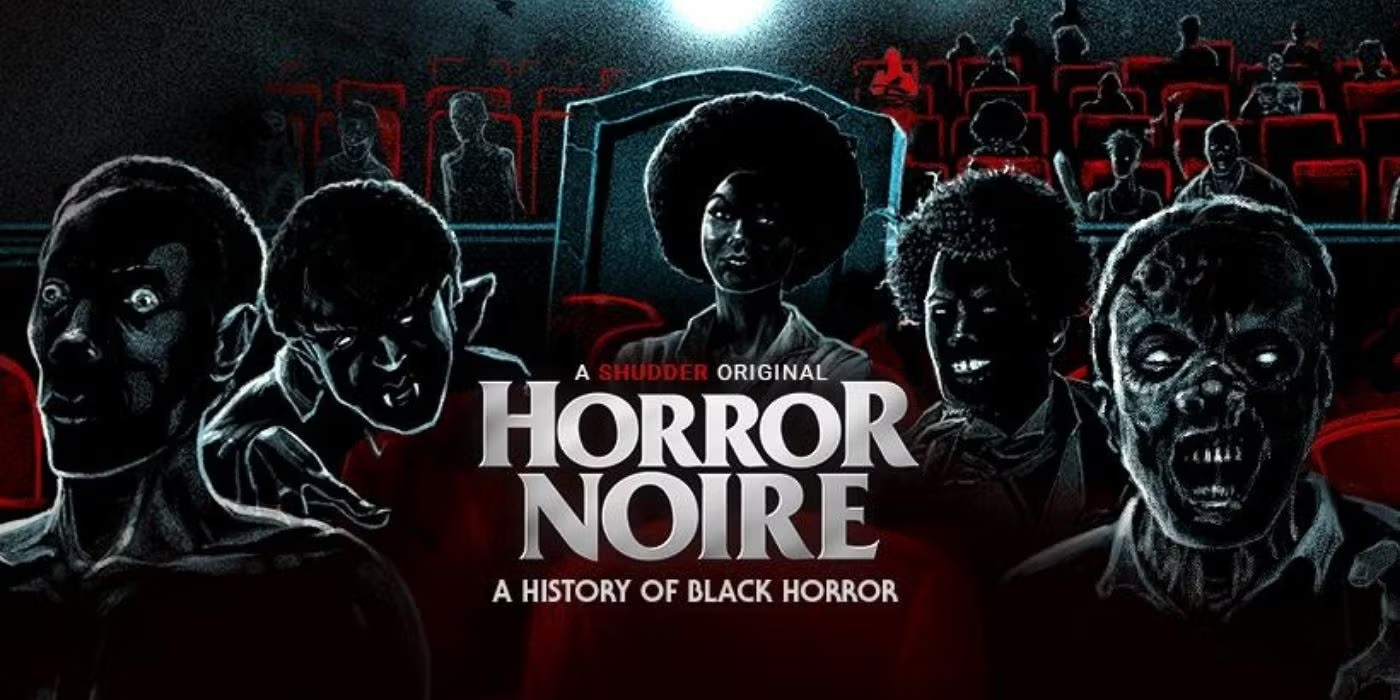
Since its inception, the American film industry has been a predominantly white space, crafting a legacy of racism through both on-screen hostility toward non-white people and outright erasure of their existence. Horror Noire: A History of Black Horror, an outstanding documentary from 2019 based on Robin R. Means Coleman’s 2011 book Horror Noire: Blacks in American Horror Films from the 1890s to Present, delves into the true history of the genre to uncover how white attitudes toward Blackness have affected horror history and highlight Black artists’ vital contributions to the genre.
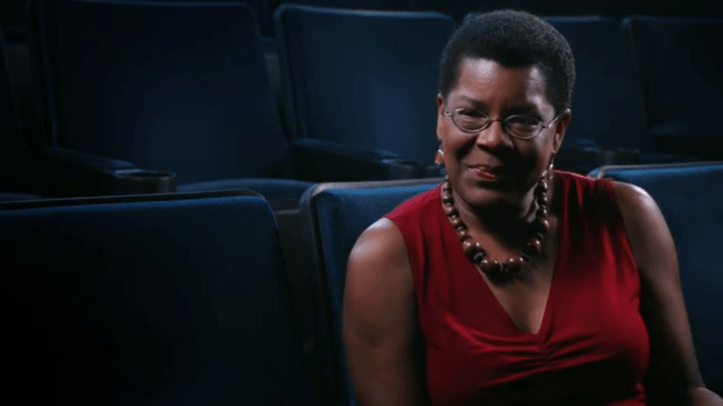
Early in the film, Tananarive Due says, “Black history is Black horror.” Real photos and footage of atrocities that white Americans have committed against Black people appear alongside film scenes that interrogate these acts of violence, from slavery and police brutality to forced medical experimentation. The film asks viewers to view the horror canon in its proper context, inviting them to sit with the discomfort of racist overtones in classics like King Kong and Creature from the Black Lagoon and pointing out racist tropes that we still see in the 21st century. This is not a movie made for an explicitly white audience, but I’m sure white viewers need more of a push to understand the totality of horror history rather than flee from the aspects they don’t want to see, and Horror Noire accomplishes this brilliantly. The film remains thoughtful and nuanced as it chronicles the evolution of Black horror throughout different eras, acknowledging strides forward but maintaining focus on the changes still needed to bring the work of more Black artists to the screen.
A great documentary never loses sight of the fact that it is, first and foremost, a film. Horror Noire approaches its subject using a standard documentary template – a roughly chronological journey through film history that alternates between film footage and interviews with experts in the field – but it stands head and shoulders above most other horror documentaries thanks to canny choices that make it both more illuminating and more entertaining than a typical talking head documentary. Director Xavier Burgin and cinematographer Mario Rodriguez opt to move the camera sparingly, lending even greater importance to moments like a brief close-up on Jordan Peele’s hand against a leather armchair just like Chris (Daniel Kaluuya) in Get Out as Peele discusses his film’s redemptive ending.
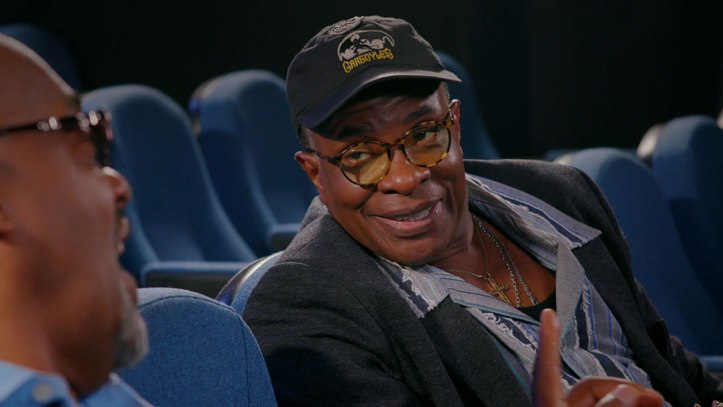
The interviewees – academics, horror legends, and newer artists who together represent a refreshing diversity of viewpoints and experiences – are featured alone or in pairs, and this is where Horror Noire really shines. Scholars like Coleman and Due appear on-screen alone, treating viewers to bite-sized lectures that contextualize horror history and Black artists’ place within it. Most of the experts appear in pairs, though, having conversations with each other rather than with an off-screen interviewer. These conversations between artists discussing their own experiences and learning from each other draw the viewer in and offer them insights they likely would not have heard in a standard documentary interview. These conversations also serve as a sly refutation of the “token Black character” trope: the film only features Black interviewees (as it should), and the decision to pair up the experts with slightly different blocking for each pair makes for a dynamic, engaging film that underscores the fact that Black artists and scholars have always had an integral place in horror history. Horror Noire is not a series of disconnected talking head interviews; it is a holistic overview of film history that maintains its focus on empathy, community, and scholarship.
Another highlight of the film is how much it centers the viewpoints of Black women. Anyone who watches horror documentaries can tell you that they usually focus on white men. Based on Coleman’s book and written by Ashlee Blackwell and Danielle Burrows, Horror Noire amplifies vital voices that are usually shut out of the conversation, discussing how Black women specifically have been treated and depicted throughout horror history. One moment that has stuck with me since I first saw the film is Rachel True running through the different line readings she had to give the question “Are you okay?” when she was repeatedly cast as the supportive Black friend rather than a fully developed character with thoughts and feelings of her own. It’s a bittersweet gift to watch True discuss her realization that her portrayal of Rochelle in The Craft was so much more than just a movie role to Black girls who didn’t grow up seeing themselves on-screen very often.
Horror Noire is about the future just as much as it is about the past. It looks America’s racist history square in the eye and looks forward with hope for current and future generations of Black artists and scholars, as well as the horror fans who will be able to see their work. During a discussion of Rusty Cundieff’s film Tales from the Hood, Cundieff tells Ernest Dickerson, “We gotta turn the tables and make the horror redemptive.” Horror Noire does exactly that, taking viewers on an educational, entertaining, infuriating, and ultimately inspiring journey through horror history. It does not minimize the injustices of the past or present, nor does it pretend that Hollywood’s racism has been “fixed.” Instead, it presents an honest, insightful portrait of the way things have been and points toward the way things could be. If you care about this genre, Horror Noire: A History of Black Horror is essential viewing.
 We Who Walk Here
I don’t watch a lot of documentaries, but I really loved this one. Essential for any fan of horror and its roots.
LikeLike